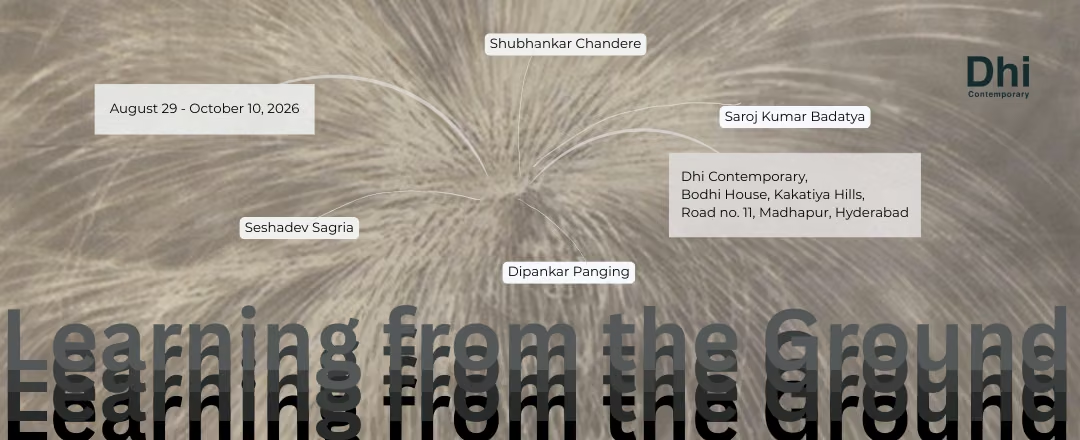
29th August, 2026 - 10th October, 2026
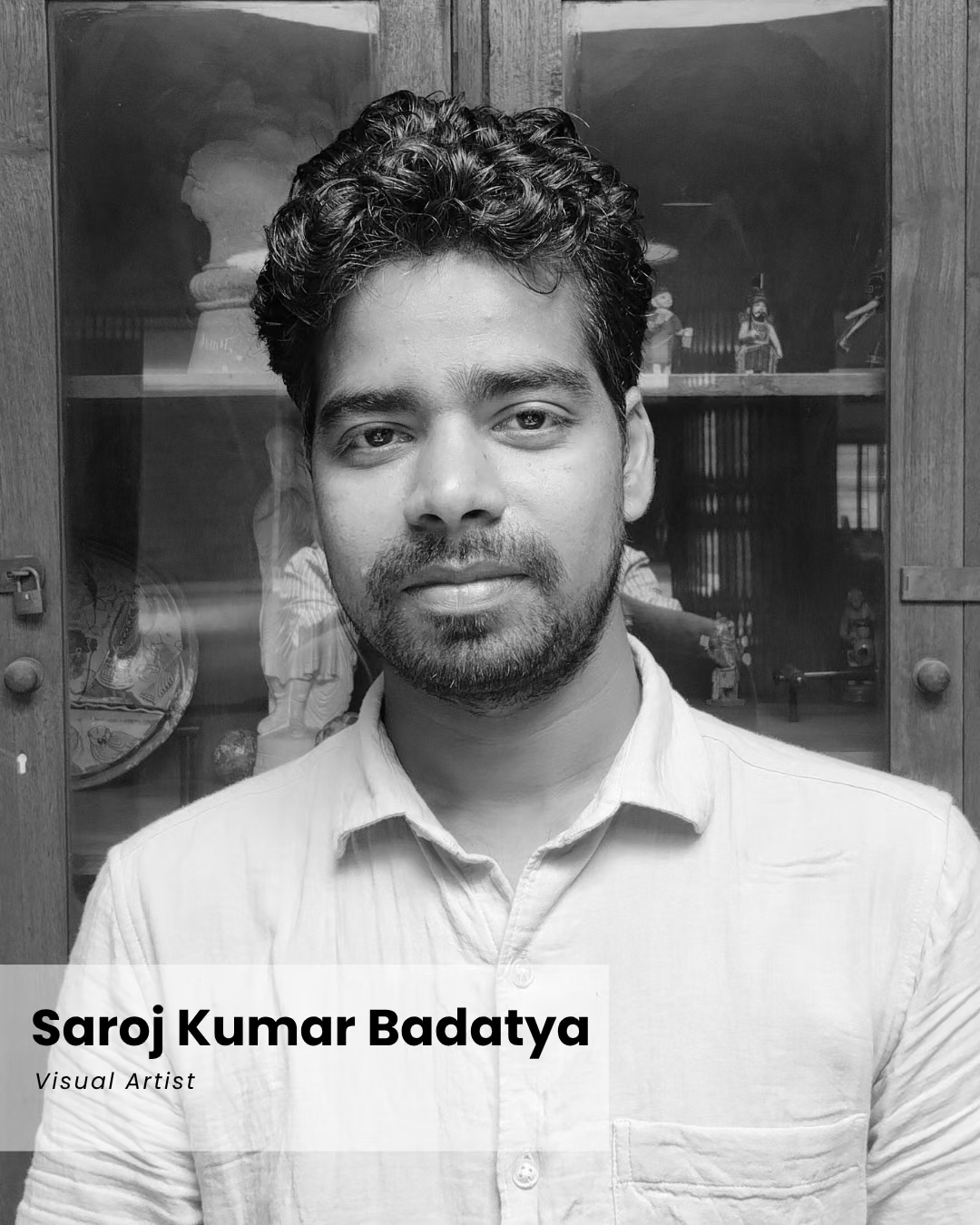
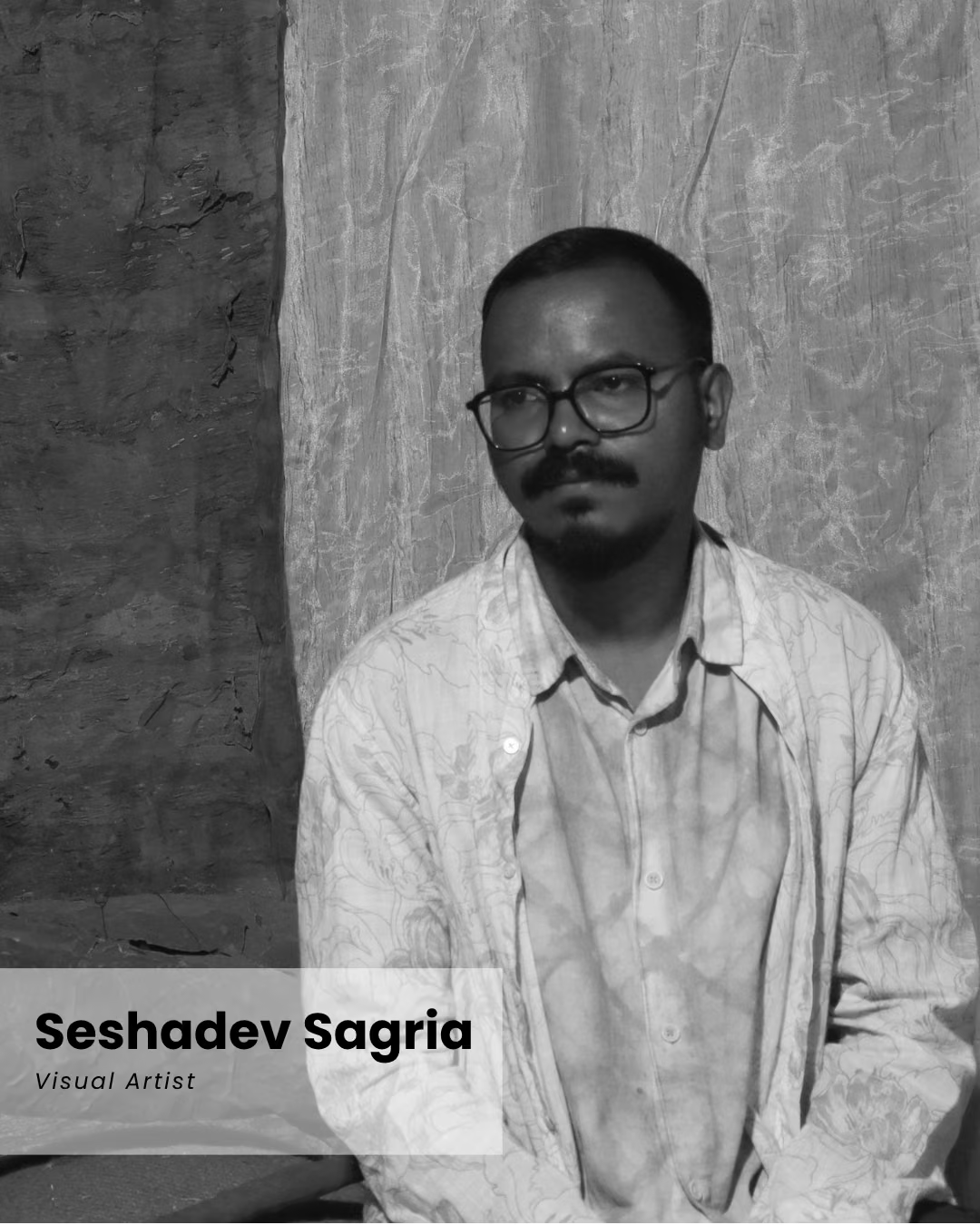
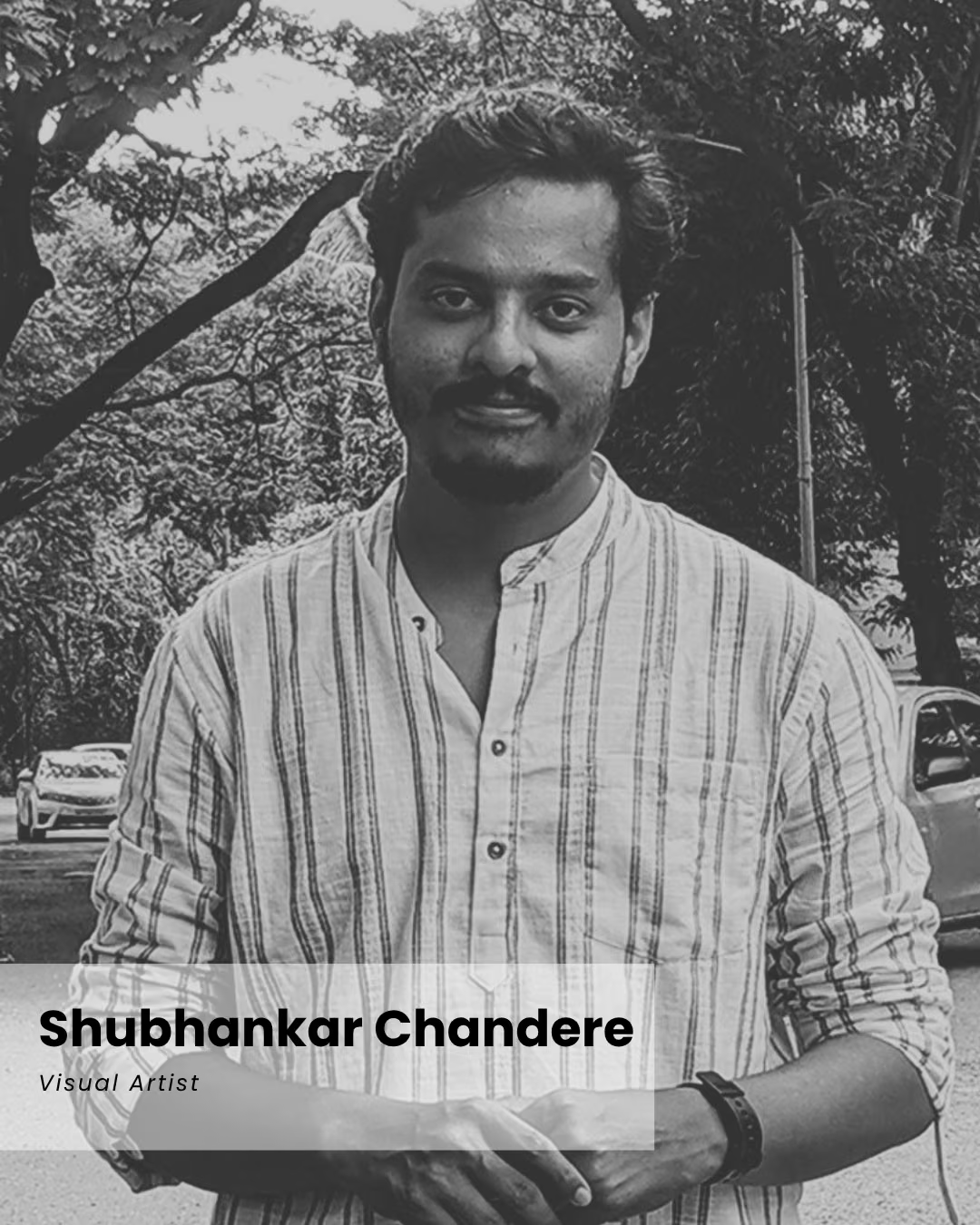
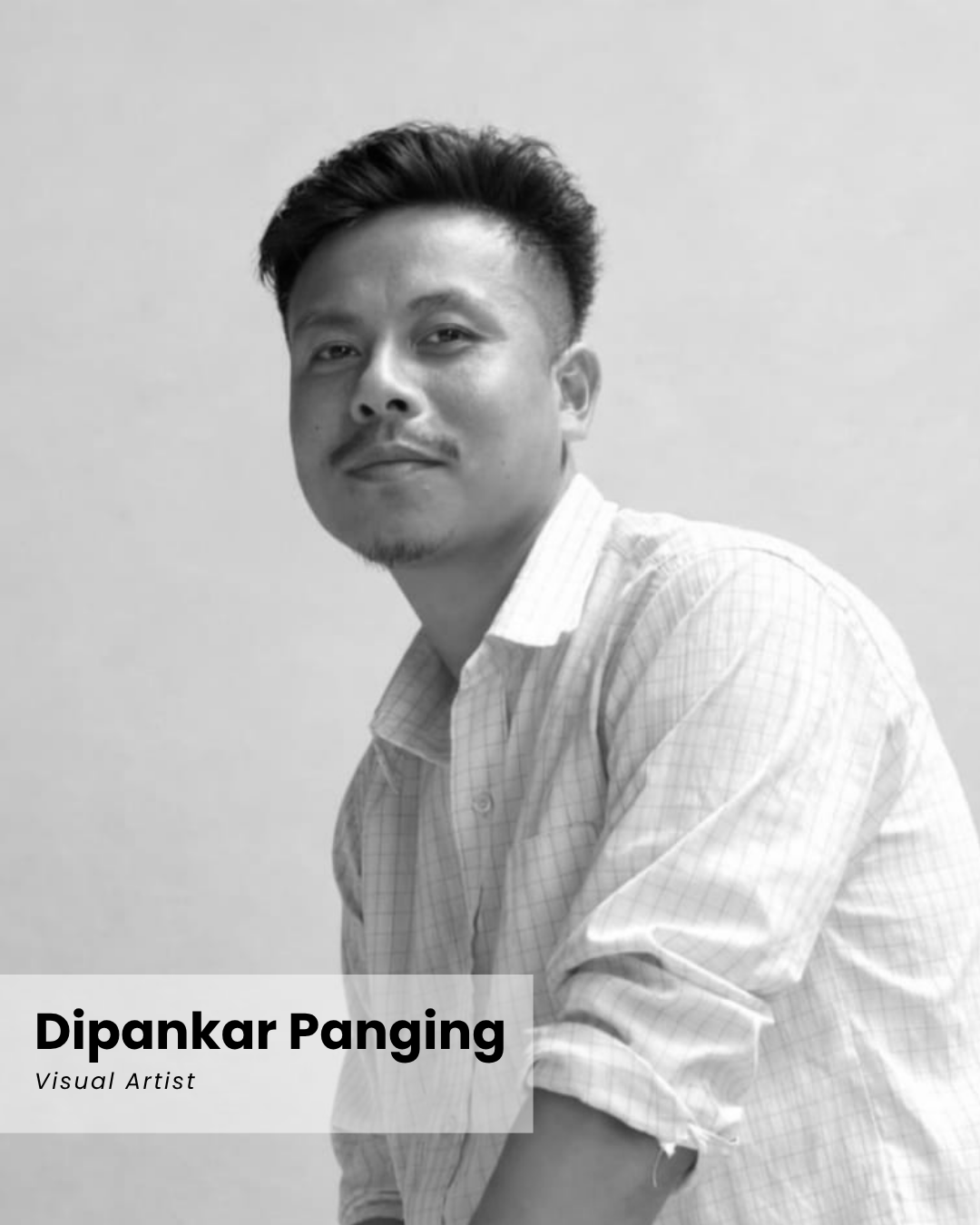
Dhi Contemporary presents Learning from the Ground, bringing together the practices of Saroj Badataya, Shubhankar Chandere, Sheshadev Sagaria, and Dipankar Panging. The exhibition explores how communities remember, transmit, and regenerate knowledge through bodies, materials, and everyday practices in the face of ecological, social, and political transformation.
● Working across installation, painting, printmaking, textiles, and participatory research, the artists draw upon agriculture, weaving traditions, vernacular medicine, labour, oral histories, and ecological observation to investigate forms of knowledge that emerge through lived experience rather than institutional authority.
● Through diverse material and conceptual approaches, the exhibition considers how land, bodies, craft, memory, and collective practices function as sites of cultural continuity, adaptation, and resistance. Grass, soil, textiles, tools, found materials, and embodied gestures become carriers of histories that are continuously enacted rather than simply preserved.
● Together, the works invite viewers to reconsider where knowledge resides, how it is sustained across generations, and how communities continue to negotiate changing ecological, social, and political realities through acts of making, care, and collective imagination.
TThe exhibition proposes that knowledge is neither fixed nor exclusively held within institutions. It is sustained through everyday practices, embodied relationships, and collective acts of making. By bringing these four artistic practices into dialogue, the exhibition invites us to reconsider where knowledge resides, how it is transmitted across generations, and what becomes visible when we attend to the ordinary acts through which people maintain enduring relationships with land, material, and one another.How do communities remember, transmit, and regenerate knowledge through bodies, materials, and everyday practices in the face of ecological, social, and political transformation?
This exhibition brings together the practices of Saroj Kumar Badatya, Shubhankar Chandere, Seshadev Sagria, and Dipankar Panging, whose works examine knowledge as something lived, embodied, and continually renewed. Rooted in distinct cultural and geographical contexts, the artists draw from agriculture, weaving, labour, vernacular medicine, ecological observation, and collective memory to explore ways of knowing that exist beyond institutional archives and formal systems.
Working across painting, printmaking, textiles, installation, and participatory research, they foreground materials such as grass, soil, bamboo, pigments, textiles, tools, and found objects—not merely as artistic media, but as carriers of memory, history, and lived experience. Their practices reveal how relationships between bodies, landscapes, and materials are shaped through acts of cultivation, making, care, and adaptation.
Rather than viewing ecological, social, and political transformations as separate conditions, the exhibition considers them as deeply interconnected. Climate change, environmental degradation, caste, labour, and displacement are understood not only as forces of disruption but also as contexts within which communities continue to negotiate, preserve, and reinvent knowledge.